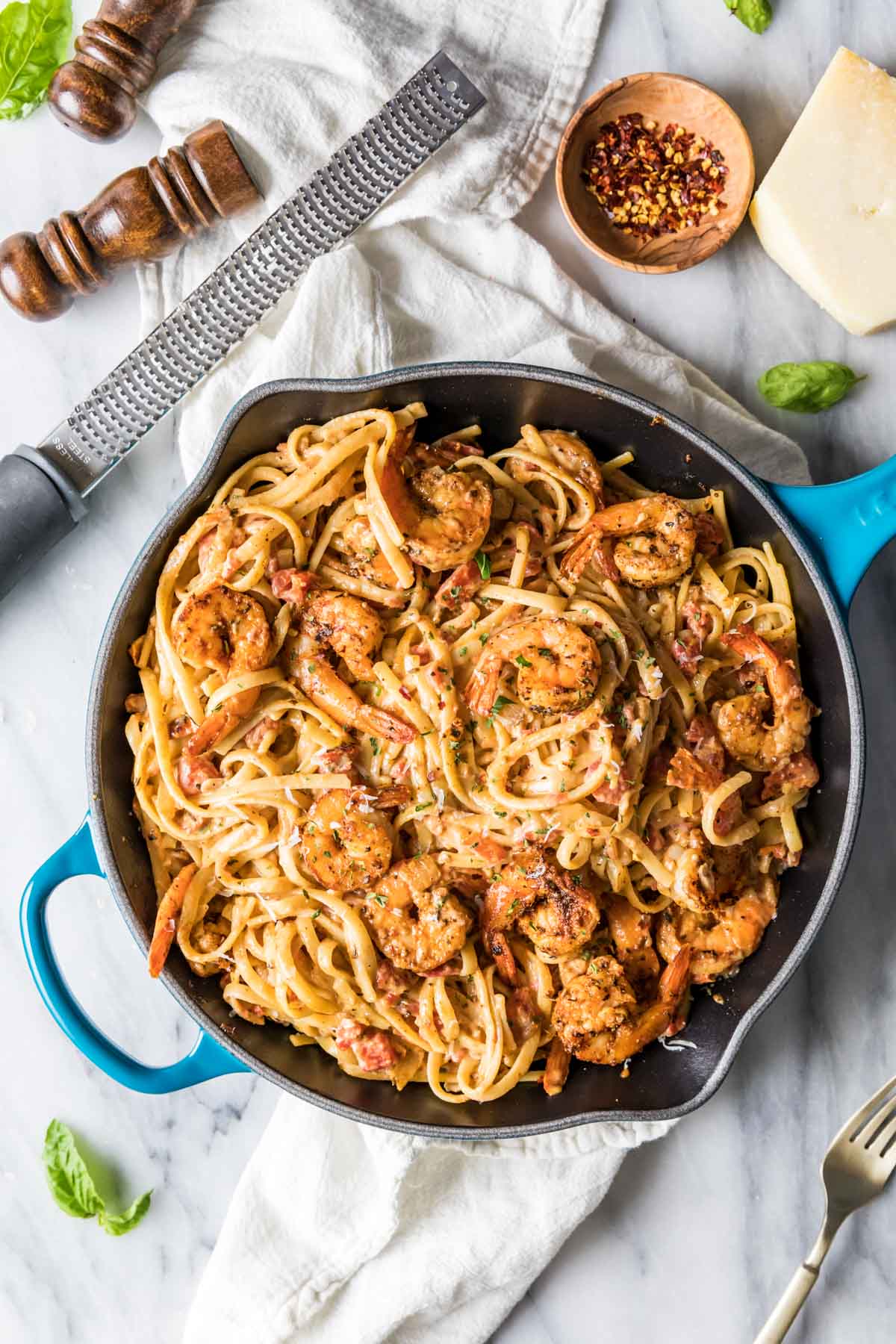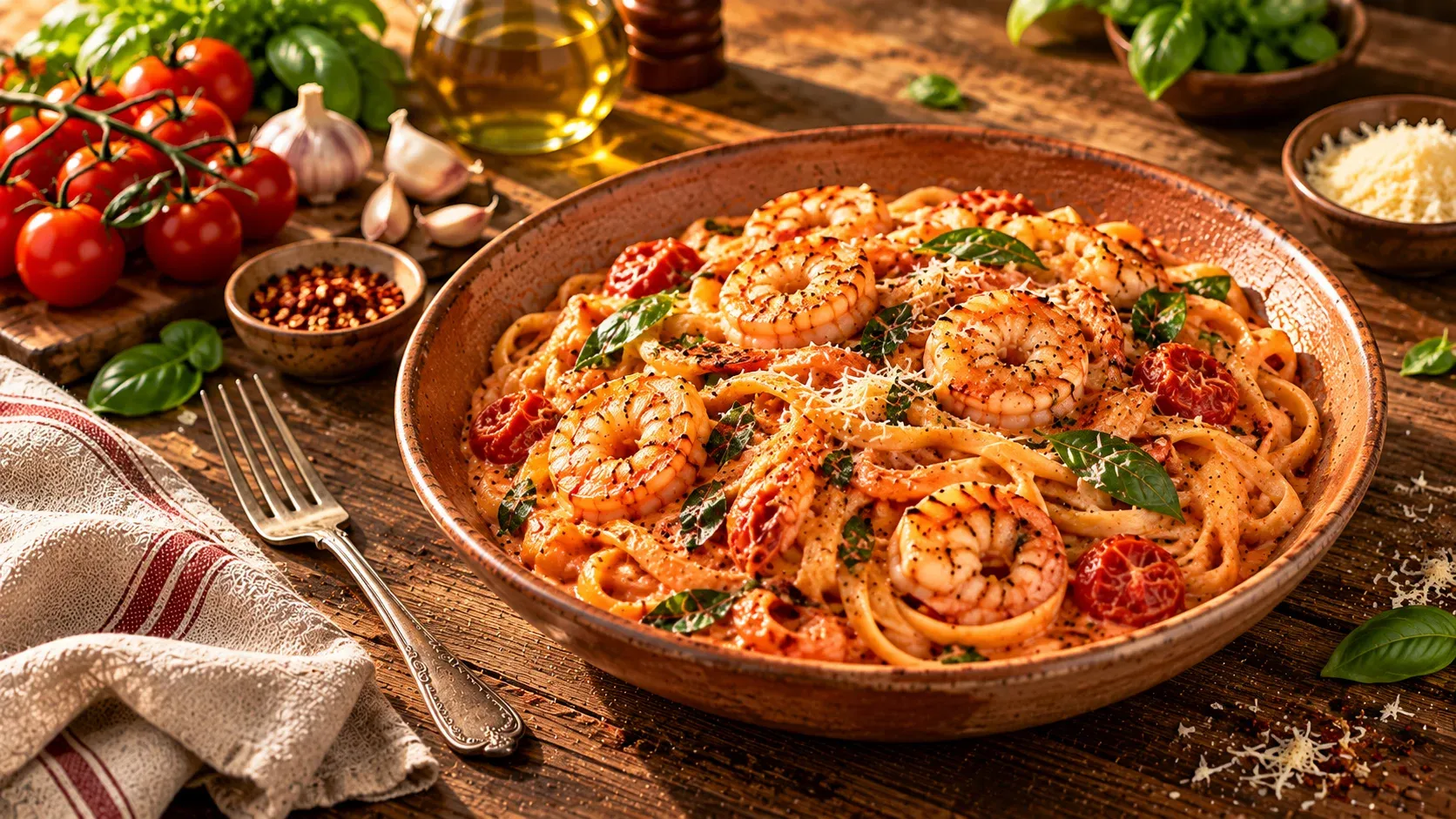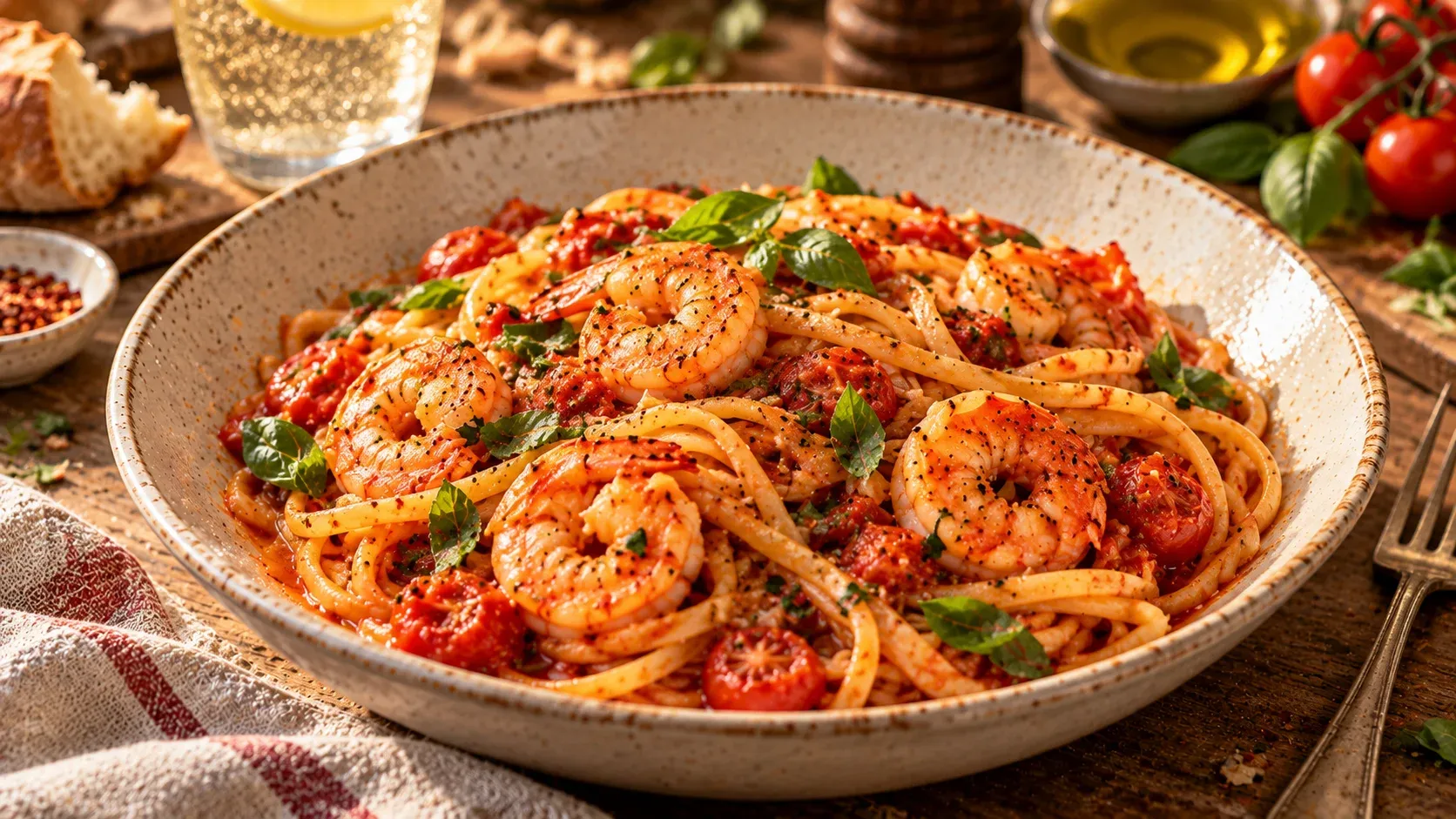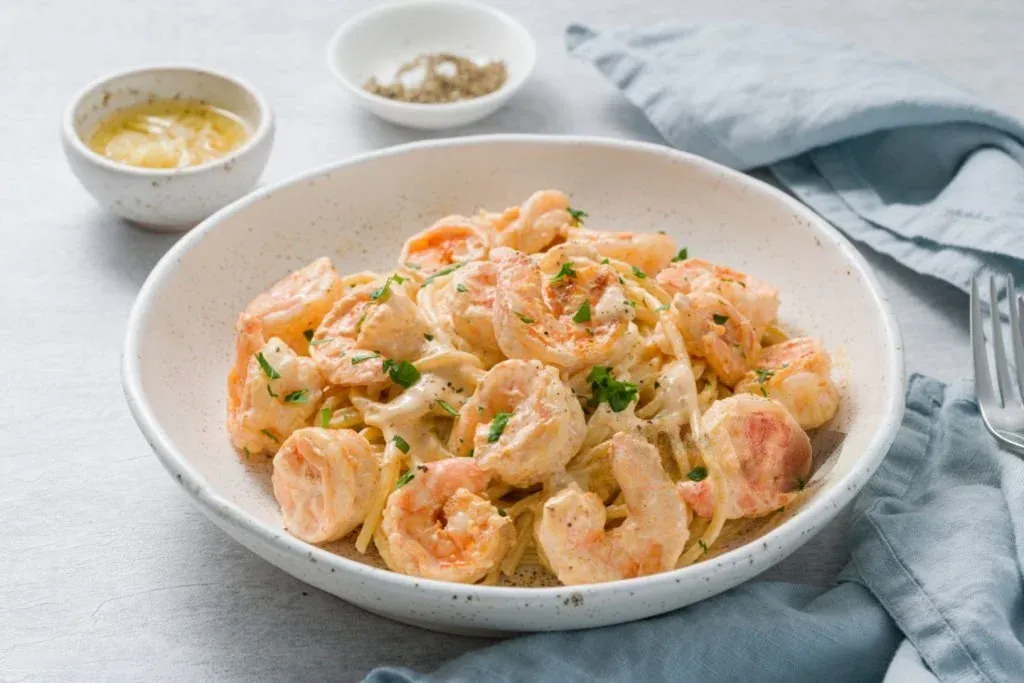
Creamy chilli garlic prawn pasta with real heat built into the sauce, not just sprinkled on top. Covers how much spice to use and common mistakes.
Creamy Chilli Garlic Prawn Pasta
Creamy chilli garlic prawn pasta takes everything that makes a classic creamy garlic prawn pasta work and adds real heat to it. The result is a dish that's rich and comforting but still has a kick running through every bite. It's the version to make when a plain creamy pasta feels like it's missing something, or when you want the comfort of a cream sauce without it tasting one-note.
This post focuses specifically on getting the chilli level right, since that's the one thing that separates a great version of this dish from one that either tastes bland or blows past the point of enjoyable. We'll also cover the core sauce technique, but in more depth than most recipes bother to, since understanding why the method works is what lets you actually troubleshoot it when something goes wrong.
What Is Creamy Chilli Garlic Prawn Pasta?
Creamy chilli garlic prawn pasta is a pasta dish built around prawns, garlic, chilli, and a cream-based sauce, usually finished with parmesan. It's a variation on classic creamy garlic prawn pasta, with chilli added to build real heat into the sauce rather than leaving it plain. It's different from a chilli prawn pasta made with a tomato base, which relies on acidity and tomato sweetness rather than cream for its richness. Both versions use similar seasonings, but the final dish tastes noticeably different depending on which base you choose.
Ingredients You'll Need
- Pasta (fettuccine, linguine, or spaghetti)
- Raw prawns, peeled
- Garlic, finely chopped
- Chilli flakes, or fresh red chilli, finely diced
- Butter and olive oil
- Cream
- Parmesan, freshly grated
- Lemon, parsley, salt and pepper
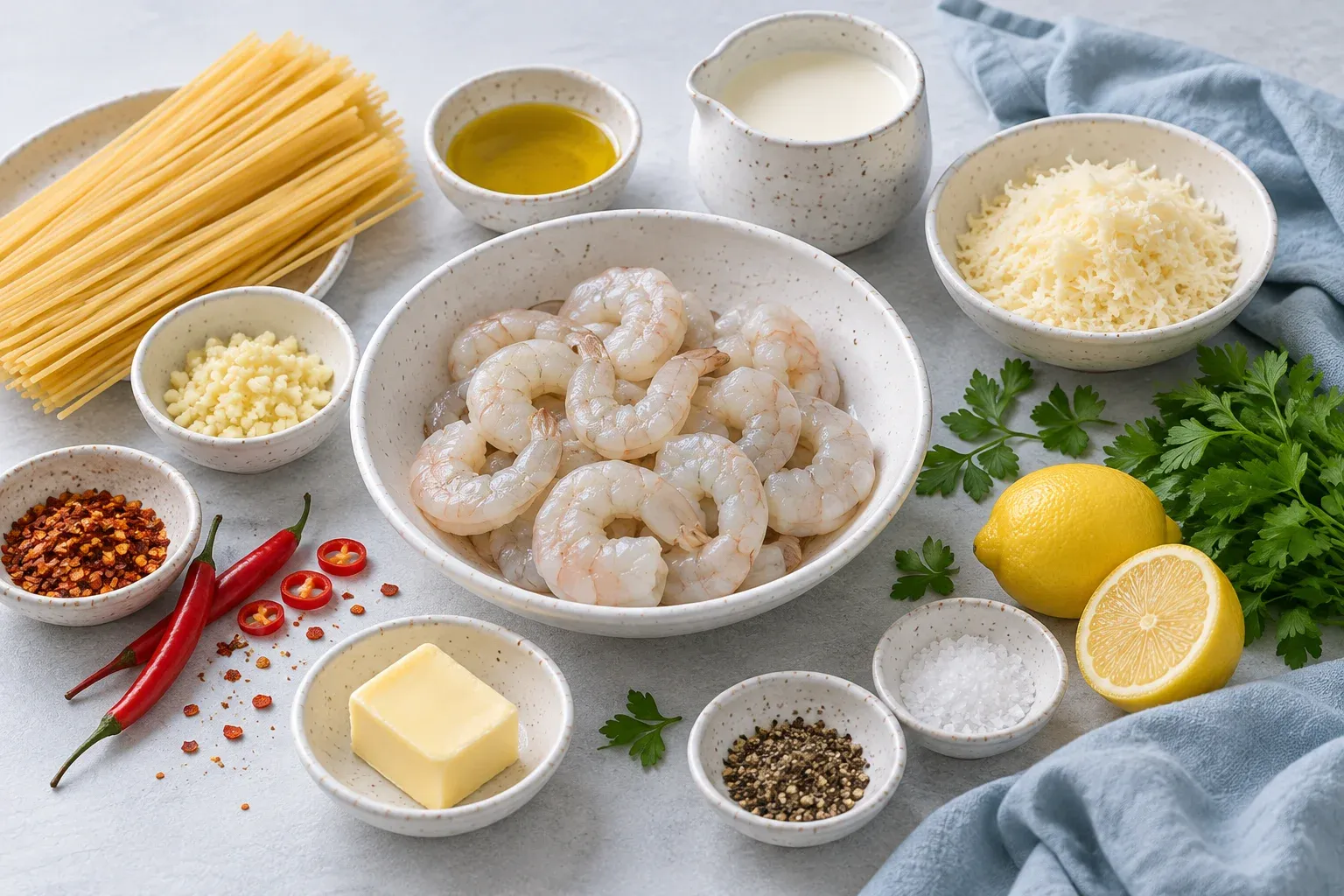
For two people, a good starting point is 200 grams of pasta, 250 grams of prawns, three to four cloves of garlic, half a teaspoon of chilli flakes, and around 150 millilitres of cream. Adjust the chilli up or down from there depending on your own tolerance, since that's really the main variable in this recipe worth fine-tuning to taste.
Choosing Your Heat Source
Chilli flakes are the easiest, most common choice, and they distribute evenly through the sauce without needing any extra prep. Fresh red chilli, finely diced and added alongside the garlic, gives a brighter, more immediate heat and a bit of texture in each bite. Beyond these two, a few other options work depending on what you have on hand.
Bird's eye chilli, finely sliced, brings a sharper, more aggressive heat than a standard red chilli, so use less of it than you think you need. A small amount of cayenne pepper stirred in with the garlic gives a drier, more diffuse heat compared to fresh chilli. A dash of hot sauce, added once the cream is already in the pan, is a genuinely good shortcut if you want heat without needing to chop anything, though it will shift the flavor slightly depending on which hot sauce you use, since most contain vinegar.
None of these are objectively better. Chilli flakes give you a more consistent, background heat that builds slightly as you eat. Fresh chilli gives you sharper, more noticeable heat right away. If you're not sure which you prefer, start with flakes, since they're the easiest to control and adjust the next time you make the dish.
Why Cream and Chilli Work Together
This pairing isn't just about taste, there's a real reason it works so well. Capsaicin, the compound responsible for a chilli's heat, is fat-soluble rather than water-soluble, meaning it dissolves into fat far more readily than it does into water. Cream, being high in fat, actually absorbs and carries the chilli's heat throughout the sauce more effectively than a water-based or tomato-based sauce would. This is also why a glass of water does very little to cool down a spicy mouth, while a sip of milk works almost immediately. The same principle applies here. A cream-based sauce doesn't just taste rich alongside chilli, it genuinely helps distribute and slightly soften the heat compared to a thinner, non-dairy sauce carrying the same amount of chilli.
How to Make Creamy Chilli Garlic Prawn Pasta
Step-by-Step Instructions
- Cook the pasta in salted boiling water until just under al dente. Reserve a cup of pasta water before draining.
- Pat the prawns dry and season with salt and pepper.
- Sear the prawns in butter over medium-high heat for about a minute per side, then remove from the pan.
- In the same pan, melt more butter and add the garlic along with the chilli flakes or fresh chilli. Cook for twenty to thirty seconds, until fragrant.
- Stir in the cream and parmesan, letting it simmer gently until slightly thickened.
- Add the pasta and prawns back in, along with a splash of reserved pasta water. Toss until the sauce clings to the pasta.
- Finish with parsley, a squeeze of lemon, and extra parmesan if you like.
Building Heat Into the Sauce, Not Just On Top
A common mistake with spicy pasta dishes in general is treating the chilli as a garnish rather than an ingredient. Sprinkling chilli flakes on top at the end gives you a hit of heat in the first bite that fades fast, since it never actually cooked into the sauce. Adding the chilli early, alongside the garlic, lets the heat infuse into the butter and then the cream, which spreads the spice evenly through every forkful instead of concentrating it in random spots. This is the single biggest difference between a version of this dish that tastes intentionally spicy and one that just has chilli flakes scattered over a plain creamy pasta.
Getting the Sauce Right
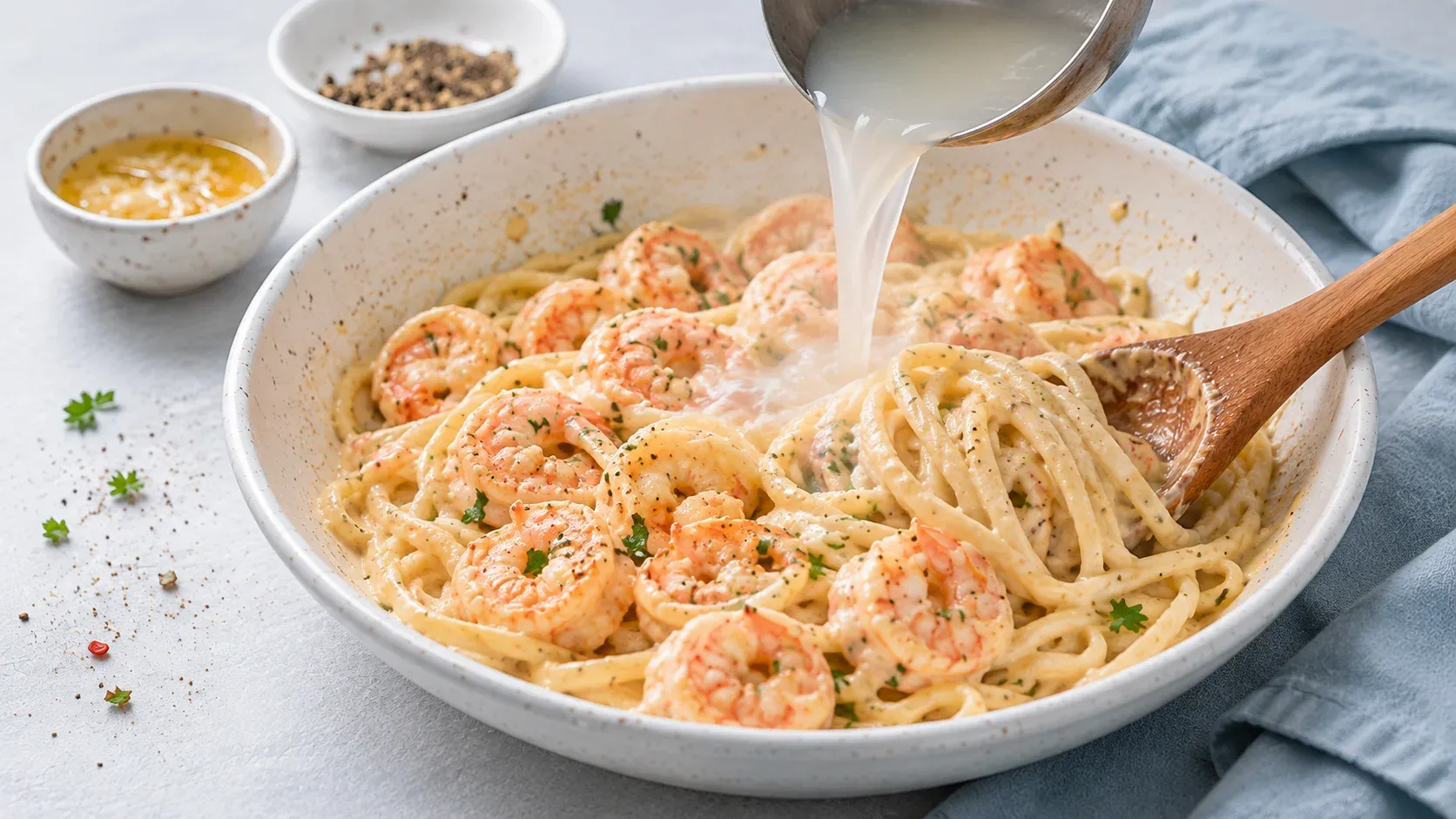
This dish follows the same core emulsion technique as our creamy garlic prawn pasta, cream and starchy pasta water binding together into a sauce that clings to the pasta rather than pooling at the bottom of the bowl. The same risks apply here too. A hard boil once the cream is in the pan can cause it to split, and skipping the reserved pasta water leaves you with a thinner, less cohesive sauce. If you haven't read through our full guide on this technique, it covers the troubleshooting in more depth than we'll repeat here, including exactly what to do if your sauce does split.
How Much Heat Is Right?
This is genuinely a matter of personal taste, but a few guidelines help you land somewhere reasonable on your first attempt. A quarter teaspoon of chilli flakes gives you a mild warmth that most people would describe as pleasant rather than spicy. Half a teaspoon is a noticeable, moderate heat, which is where most versions of this dish land. A full teaspoon or more starts pushing into genuinely spicy territory, and at that point it's worth balancing with a touch more cream to keep the dish from tasting one-note.
If you're cooking for a group with mixed spice tolerance, a reliable approach is to keep the base sauce on the milder side and serve extra chilli flakes or a small dish of fresh chopped chilli on the table, letting everyone adjust their own plate rather than guessing at one level that suits everyone.
Creamy or Tomato Based? A Quick Note
You may come across other versions of chilli garlic prawn pasta online that are actually tomato-based rather than creamy, despite using a similar name. This version is specifically built around a cream sauce, which gives a richer, smoother result than a tomato-based chilli prawn pasta would, and as covered above, actually carries the chilli's heat differently because of the fat content. If you're after the lighter, tomato-forward version instead, our tomato prawn pasta guide covers that style in full, including how to build heat into a tomato base rather than a cream one. Both are valid takes on a similar idea, they just land in different places, and neither is a substitute for the other if you're specifically craving one style over the other.
Common Mistakes With Spicy Creamy Pasta
- Adding chilli too late. As covered above, chilli added only at the end sits on top of the dish rather than becoming part of it.
- Overdoing the heat on the first try. It's easier to add more chilli than to fix a sauce that's gone too far. Start conservative and adjust next time.
- Letting the chilli burn alongside the garlic. Chilli flakes can scorch just as fast as garlic can. Keep the heat moderate during this step and don't walk away from the pan.
- Masking the prawns with too much heat. The prawns are still the point of the dish. If the chilli level is so high that you can't taste anything else, it's worth dialing back next time.
- Using chilli powder instead of chilli flakes without adjusting the amount. Chilli powder is far more concentrated and distributes differently than flakes. If substituting, start with a fraction of the amount called for and build up from there.
Is Creamy Chilli Garlic Prawn Pasta Healthy?
This version carries the same richness as any cream-based prawn pasta, since the chilli itself adds heat and flavor without meaningfully changing the calorie count. Prawns remain lean and high in protein regardless of how much chilli is in the dish, so the overall nutrition profile is close to our standard creamy garlic prawn pasta. If you're looking to lighten it, the same adjustments apply here as they do for any cream-based version, swapping in half-and-half instead of heavy cream, or reducing the butter slightly while leaning more on the garlic and chilli for flavor rather than added fat.
What to Serve With It
A simple green salad with a sharp, acidic dressing works well here, since it offers some relief against the richness and heat of the sauce. Crusty bread is useful for the same reason it's useful with any creamy pasta, mopping up whatever sauce is left in the bowl. If you want something to cool the heat down specifically, a side of sliced cucumber or a dollop of plain yoghurt on the side, while not traditional, genuinely helps if you've leaned toward the spicier end of the scale.
For something to drink, an off-dry white wine like a Riesling works surprisingly well against spice, since a touch of sweetness helps balance heat better than a bone-dry wine does. If you'd rather skip wine, a cold sparkling water or even a light beer both work as neutral palate cleansers between bites.
Make It Your Own
If you want to bulk the dish out, cherry tomatoes added alongside the cream add a bit of sweetness that plays well against the heat. Baby spinach stirred in at the end adds color without much extra effort. For a different protein base entirely, this same chilli garlic cream sauce works well with chicken instead of prawns, or with a mix of both if you want a heartier dish, though chicken will need a longer cook time than prawns do.
Leftovers and Storage
As with most prawn-based pasta dishes, this one is best eaten fresh. Store any leftovers in an airtight container in the fridge for up to a day. Reheat gently on the stove over low heat with a small splash of water or cream to loosen the sauce back up, since it will thicken considerably once cold. Avoid the microwave if possible, since it tends to overcook the prawns unevenly. Freezing isn't recommended, since cream sauces generally separate once thawed, and the prawns lose much of their texture after a second temperature change.
Recipe FAQs
What kind of prawns should I use?
Small to medium prawns work best, since they distribute evenly through the pasta and are easy to eat in one bite alongside the noodles.
Can I use frozen prawns?
Yes. Thaw them fully and pat them dry before cooking so they sear properly instead of releasing water into the pan.
Can I make this less spicy?
Yes. Reduce the chilli flakes to a small pinch, or leave them out of the sauce entirely and serve them on the side instead, letting people add heat to their own plate.
Can I make this spicier?
Yes. Increase the chilli flakes gradually, tasting as you go, or add a small amount of fresh chilli alongside the flakes for a sharper kind of heat rather than just more of the same.
Can I reheat this?
It's best eaten fresh, since the prawns can turn rubbery when reheated. If you do have leftovers, reheat gently on the stove with a splash of water or cream to loosen the sauce back up.
Can I freeze it?
It's not recommended. Cream sauces tend to separate once frozen and thawed, and the texture rarely returns to normal once reheated.
What's the difference between this and a tomato-based chilli prawn pasta?
This version uses a cream base, which gives a richer, smoother sauce and actually carries the chilli's heat more evenly due to its fat content. A tomato-based version relies on acidity rather than richness, and tends to taste lighter and sharper by comparison.
What if I accidentally make it too spicy?
Stir in a little extra cream or a small knob of butter to dilute the heat. A squeeze of lemon can also help cut through it slightly, though cream and fat are more effective than acid at calming capsaicin's heat.
Final Thoughts
Creamy chilli garlic prawn pasta is proof that a small addition, cooked in at the right moment, can completely change how a dish feels without changing the method behind it. Once you've got the base creamy garlic prawn pasta technique down, adjusting the heat to your own taste is the easy part, and it becomes one of those small tweaks you'll keep coming back to depending on the mood you're in that night.
Recipe
Creamy Chilli Garlic Prawn Pasta
By Rabi
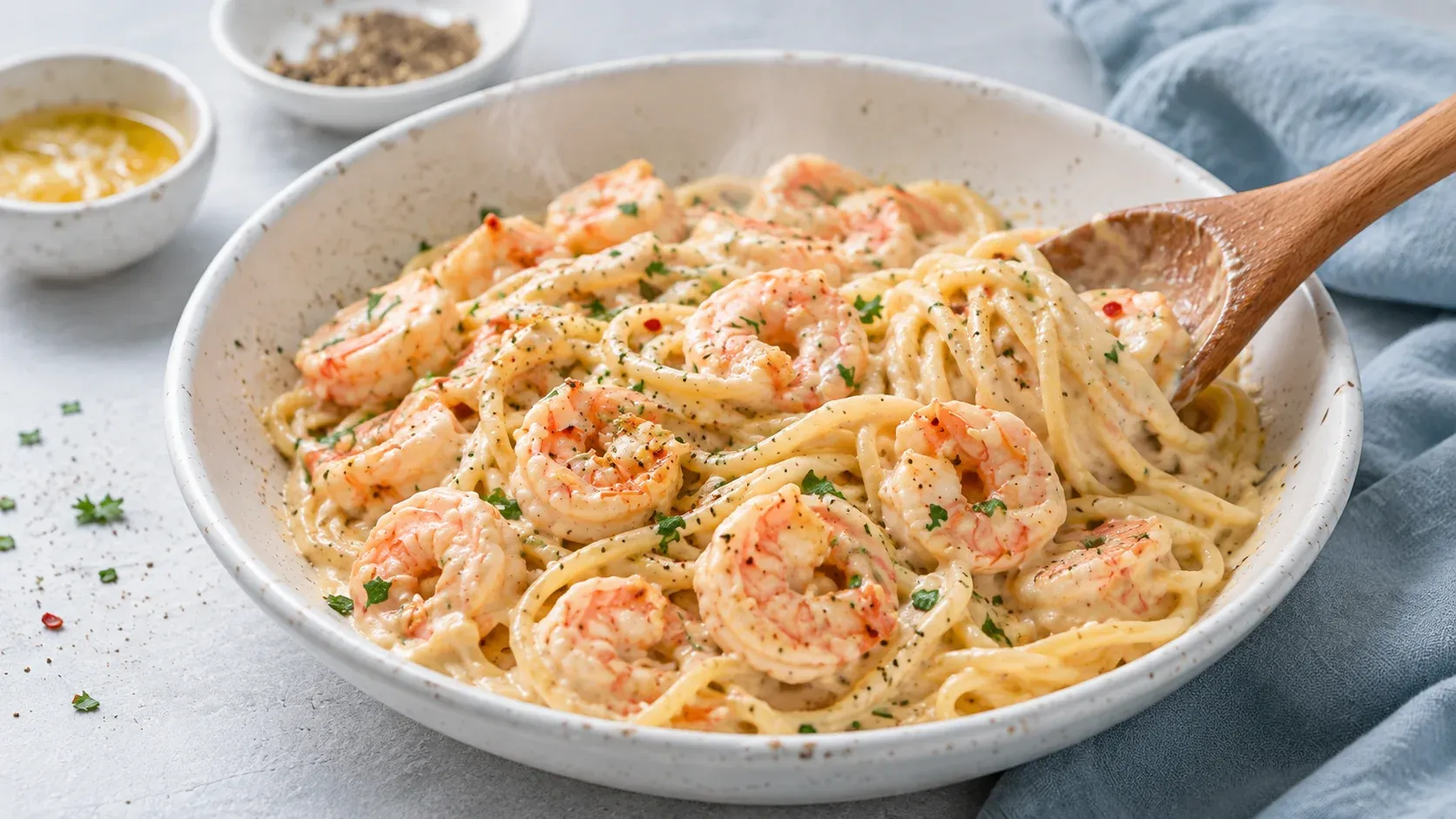
Creamy chilli garlic prawn pasta with real heat built into the sauce, ready in about 25 minutes.
- Prep
- 10 min
- Cook
- 15 min
- Rest / additional
- 0 min
- Total
- 25 min
- Servings
- 2
- Category
- Main Course
- Cuisine
- Italian
Ingredients
Instructions
- Cook the pasta in salted boiling water until just under al dente. Reserve a cup of pasta water before draining. Pat the prawns dry and season with salt and pepper. Sear the prawns in butter over medium-high heat for about a minute per side, then remove from the pan. In the same pan, melt more butter and add the garlic along with the chilli flakes. Cook for 20-30 seconds until fragrant. Stir in the cream and parmesan, letting it simmer gently until slightly thickened. Add the pasta and prawns back in, with a splash of reserved pasta water. Toss until the sauce clings to the pasta. Finish with parsley, a squeeze of lemon, and extra parmesan.
Notes
Adjust chilli to taste: start with 1/4 tsp for mild, up to 1 tsp for genuinely spicy. Best eaten fresh.
Nutrition per serving
- calories
- 640 kcal
- protein
- 34 g
- carbohydrates
- 58 g
- fat
- 31 g
Related Articles
More posts you might enjoy